T magazine: Why Tiramisù Is the Perfect Dish for Experimentation
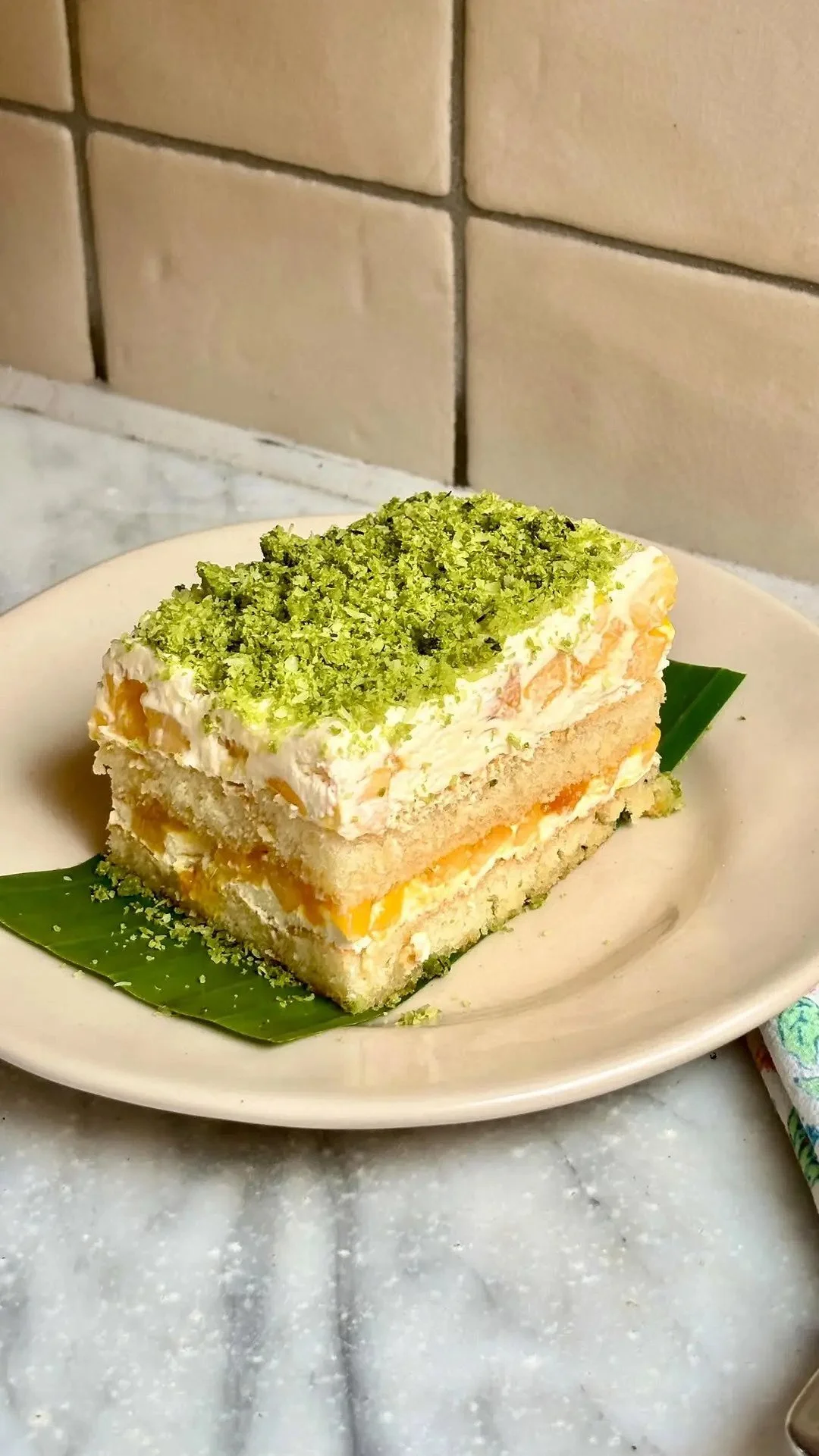
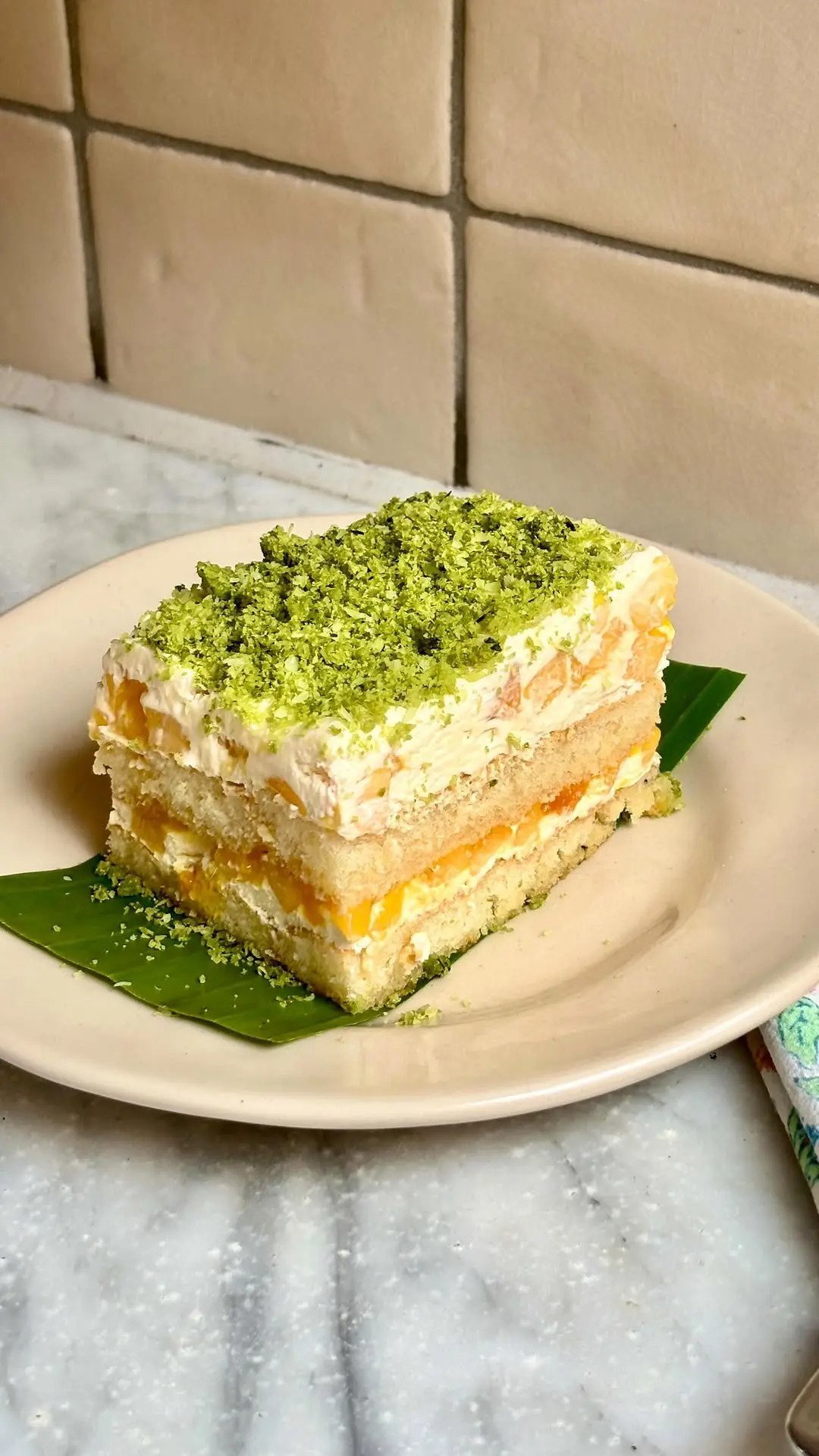
Although tiramisù as we know it today wasn’t invented until the early 1970s, at the Treviso restaurant Le Beccherie, there are few desserts as quintessentially Italian. “It became an immediate success because it combines simple elements: velvety cream, cocoa and coffee,” says the Treviso-based food historian Tiziano Taffarello, 63. The dessert spread across Europe in the 1980s and eventually migrated to the United States, where it became popular at the Italian restaurants then cropping up in New York and San Francisco. Traditionally comprising six basic ingredients — ladyfingers, egg yolk, sugar, espresso, cocoa powder and mascarpone — the dish has long inspired experimentation, lately by Asian cooks drawn to its adaptable, bittersweet character. “The structure is versatile,” says the Paris-based pastry chef Huizhi Zhang, 35, “allowing me to blend flavors from my own [Chinese] background with those I’ve discovered in France.” At Misutira, her tiramisù-focused cafe in the Fifth Arrondissement, Zhang makes a black sesame version inspired by sweets from Ningbo, the city where she was born, as well as one with lemon and huamei, a dried salted plum. Paul Chuanchaisit, 27, the chef at the roving Los Angeles supper club DAG, does a Thai version with grassy pandan powder. The chef John Javier, 38, incorporates ube — the purple yam he ate in ice cream as a child at Philippine fairs in Sydney, Australia — as well as matcha and white chocolate into his tiramisù at Caia, a bistro in London’s Notting Hill. Nearby, at Jikoni in Marylebone, the Kenyan-born Indian chef Ravinder Bhogal, 46, serves a seasonal mango-misù: She dips ladyfingers in a mango-and-rum syrup, layers them with slices of the fruit and rum zabaglione with mascarpone, then dusts the dish with Thai basil-and-coconut sugar. To her, “it tastes like Indian summer in a bowl.”