Financial Times: London’s independent designers pivot to bespoke
In the 42 years since it started, London Fashion Week has nurtured talented fashion designers from Alexander McQueen to Grace Wales Bonner. But for many of the young independent designers living and working in London today, the future has never felt more uncertain.
The old formula of graduating from one of the city’s big design schools with a buzzy debut collection that gets picked up by the press and major stockists feels increasingly rare. That’s due to the spiralling costs of runway shows, the lingering economic shocks wrought by Covid-19 and Brexit and the collapse of luxury ecommerce retailers.
Yet amid the gloom, and probably as a counter to some of those issues, a wave of young, British-based designers are reverting to a more traditional approach: made-to-order.
Joining the ranks of more established designers such as Richard Quinn, Giles Deacon and Robert Wun, are Steve O Smith, winner of the 2025 Karl Lagerfeld prize, Daniel del Valle of Thevxlley who was recently announced as a finalist for the 2026 LVMH Prize, demi-couturiers Viktor Gichev and Ellie Misner, and Sohee Park, of Miss Sohee. Aesthetically, they could not be more different but together, they represent a new generation figuring out solutions to the problems of wholesale such as overproduction and unsold stock, lower profit margins and retailer consolidation.
And it’s not just traditional wholesale that young designers struggle with: direct-to-consumer requires digital marketing, social media strategy, data analysis, shipping and returns. The appeal of the bespoke route for designers is that clients pay a deposit upfront when placing an order, helping to ensure a more reliable revenue stream than dealing with late (or worse non-) payments from retailers.
“For a young brand, the deposit and payment on receipt of garment, system works a lot better,” says Steve O Smith. “You deal with these people directly and it allows you to have personal relationships with people and get valuable feedback.”
England has its own rich history of made-to-order from 1858 when Charles Frederick Worth invented couture as a business to the 1930s, when the British-born couturier Charles James set up a salon in Mayfair.
“I like that there’s nothing new about this: this is how the bridal market has always operated,” points out Sarah Mower, Vogue’s chief critic and the British Fashion Council’s ambassador for emerging talent, “but exciting and positive things are coming out of it. It’s a resizing of what luxury can mean — on a smaller but more profitable scale.”
When east-London based designer Smith originally launched his label in 2017, he attempted to work within the wholesale model. “My experience was that it creates a system where you’re forced to spend a lot of money marketing and you’re pushed up against retailers and factories,” he recalls. “It did not feel sustainable in terms of creativity.” During the coronavirus pandemic, he shuttered his label and went on to do a master’s in fashion at Central Saint Martins.
His master’s collection attracted the attention of celebrity stylist Harry Lambert who called in a black and white outfit for Harry Styles. This was followed by creating looks for Eddie Redmayne and his wife Hannah Bagshawe for the 2024 Met Gala. “Doing the Met Gala I realised there was a market for a couture aligned client,” says Smith, whose order books have been full for creations which start at approximately £10,500.
Smith is taking a measured approach to building his brand, investing his winnings from the €200,000 LVMH Karl Lagerfeld award to building out his atelier. He recently showed his autumn/winter 26 collection with an intimate lunch presentation during London Fashion Week, where he added colour and embroidery to his previously monochrome aesthetic. From the “thousands of sketches” he does a day, Smith usually presents around three drawings to a client who selects a final design. Over a period of 10 to 16 weeks and three fittings, the sketch is brought to life by the atelier.
According to Olya Kuryshchuk, founder and editor-in-chief of 1 Granary magazine who often works with young designers: “The bespoke route lets you create beautiful pieces, stay fully in control, work to realistic timelines and be in touch with your customer.”
This was the appeal for Bulgarian Central Saint Martins graduate Viktor Gichev. While working at vintage emporium, One of a Kind in Portobello, London, he took inspiration from 20th-century couturiers such as Paul Poiret and Jeanne Lanvin and created delicate slip dresses out of burnt lace and chiffon, and dramatic opera coats from jacquard and repurposed mink fur. Soon the likes of Alexa Chung and Adwoa Aboah were sporting his creations. Last year, Vogue heralded him as “the hottest brand in London”.
“I didn’t want to start a brand,” he states matter-of-factly. “So many peers were doing that straight after university, and the market already feels saturated. I started making clothes for friends with no intention of building a label. Just the joy of creating something specific for a body I knew.” Gichev attributes this intimate method of developing garments one-to-one with a client as a contributing factor to his success.
What distinguishes London’s demi-couturiers from more established counterparts in Paris and Milan is a certain scrappiness that feels true to the punk spirit of Vivienne Westwood and McQueen. Take Ellie Misner, a University of Brighton graduate who first started selling corsets repurposed from deadstock fabrics on her social media before launching her own size-inclusive brand of sensual corseted dresses and hoop skirts in 2022. “My brand is about fitting perfectly,” she says, “there was no point where I thought let’s mass produce this.” She’s built it up through word of mouth as well as custom creations for Raye and Lena Dunham.
And some London designers are competing at the level of haute couture: fiercely safeguarded by the Fédération de la Haute Couture et de la Mode in Paris, which mandates certain rules whether a house can be deemed haute or not. In January, the Korean-born designer Sohee Park joined fellow London-based designer Robert Wun on the official Paris Haute Couture schedule.
The likes of Cardi B, Ariana Grande and Miley Cyrus are drawn to her sculptured silhouettes which mix old-fashioned Hollywood glamour with traditional Korean craftsmanship. Her customer base includes Middle East royalty, Nigerian socialites and Wendi Deng and her daughters (whom she dressed for the recent Met Gala). “Even with the current economic climate, which is challenging, our business has not been too affected,” says Park, whose embellished gowns range between £30,000 and £450,000. “There are still gala events and big weddings happening.”
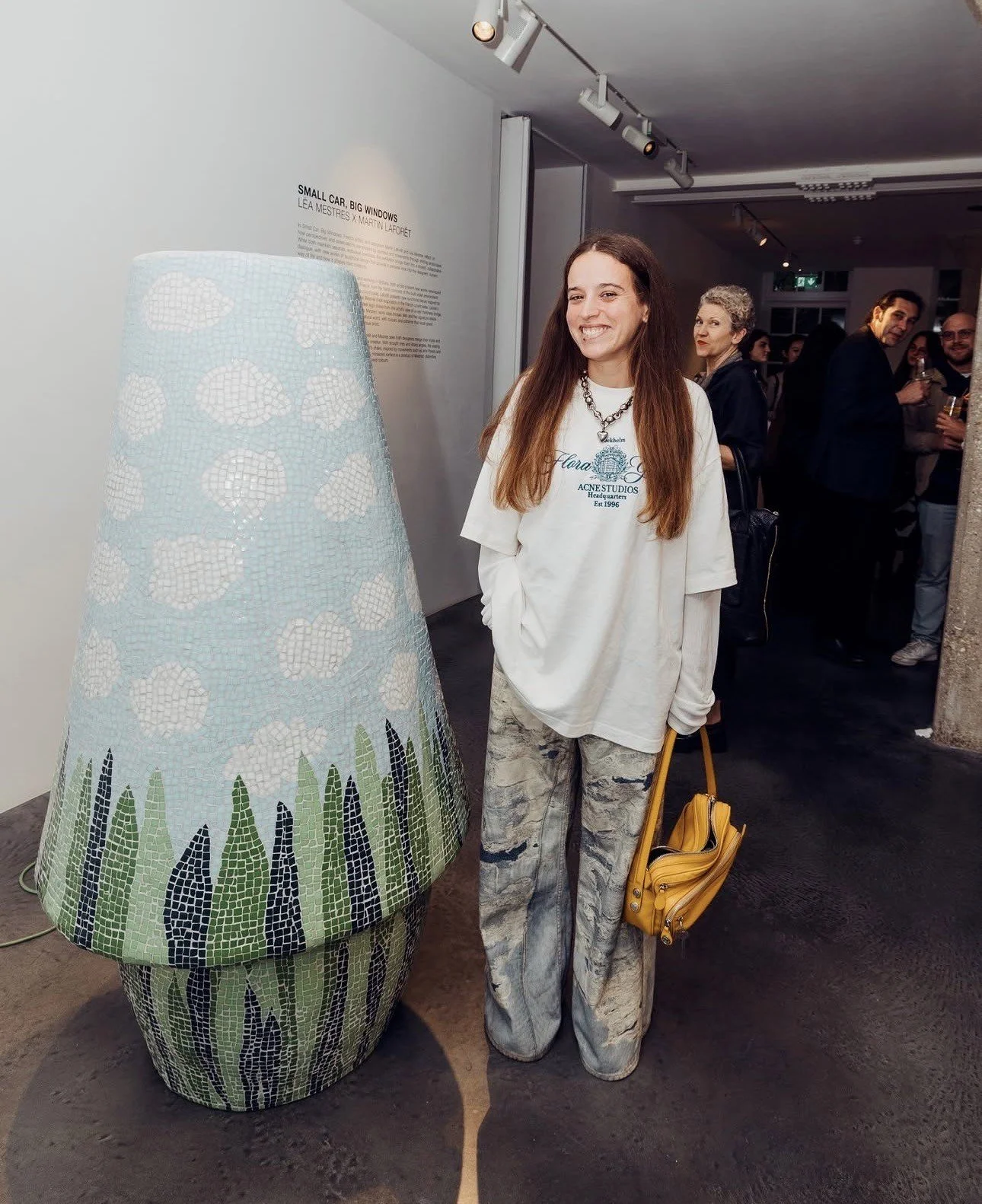
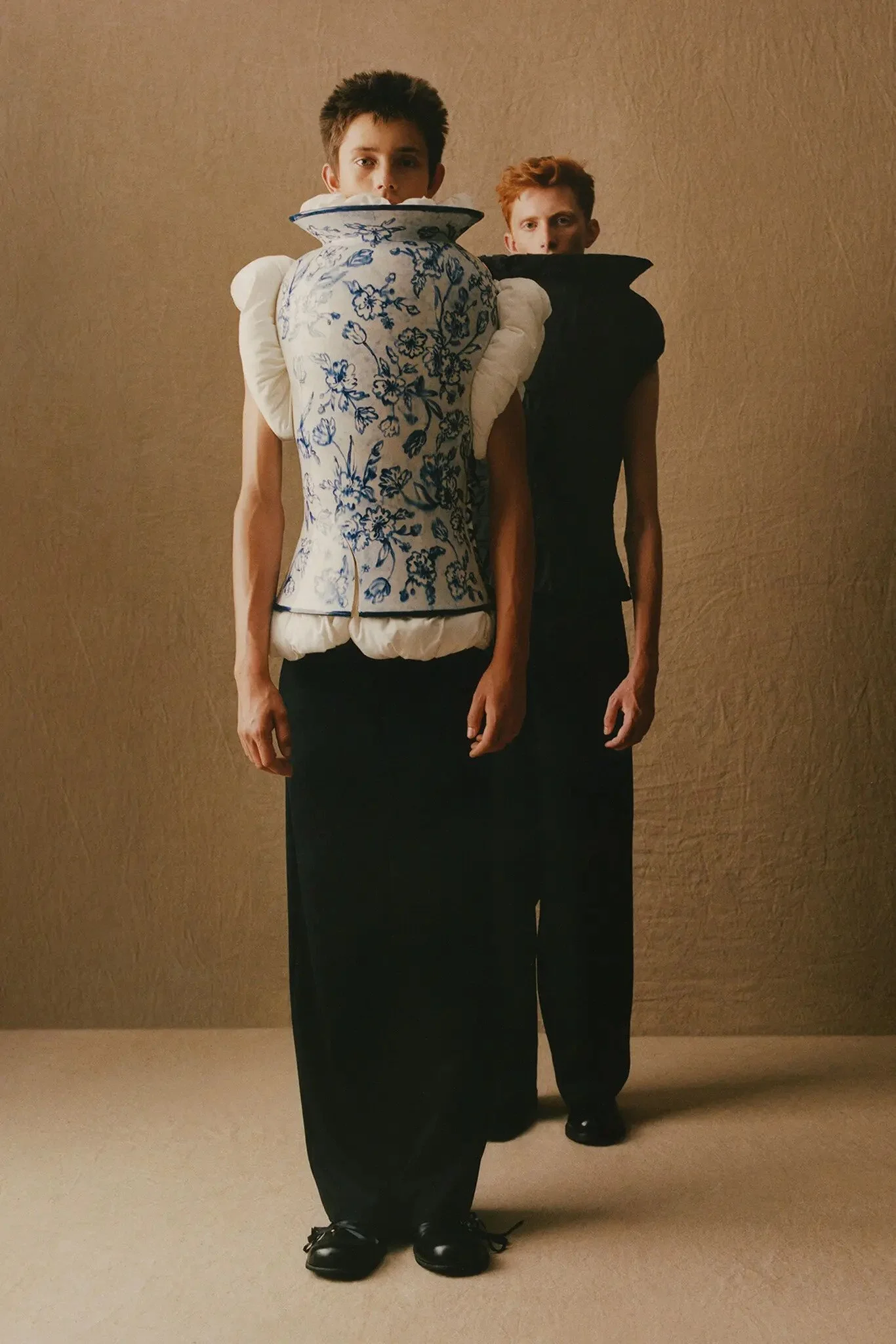
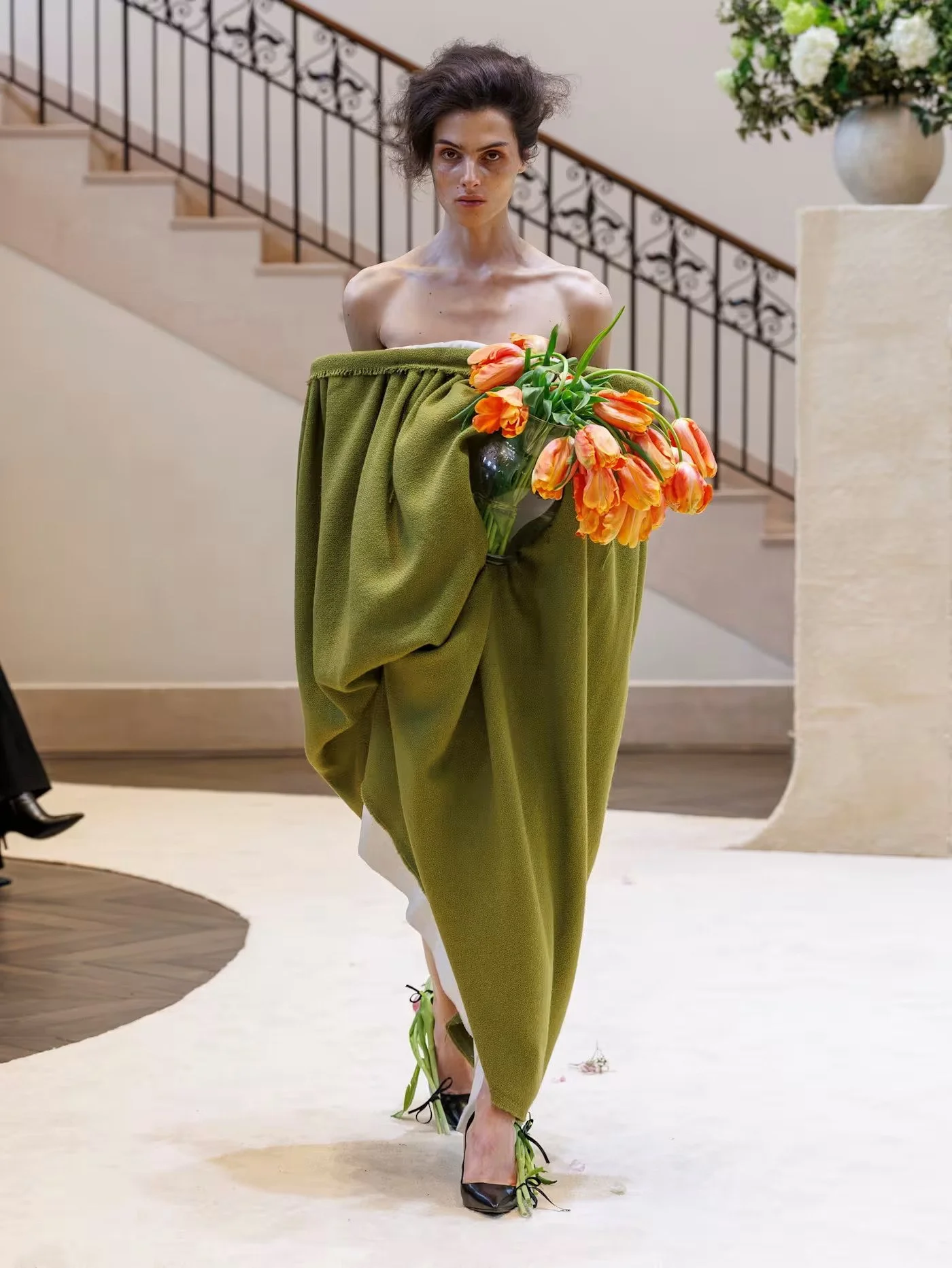
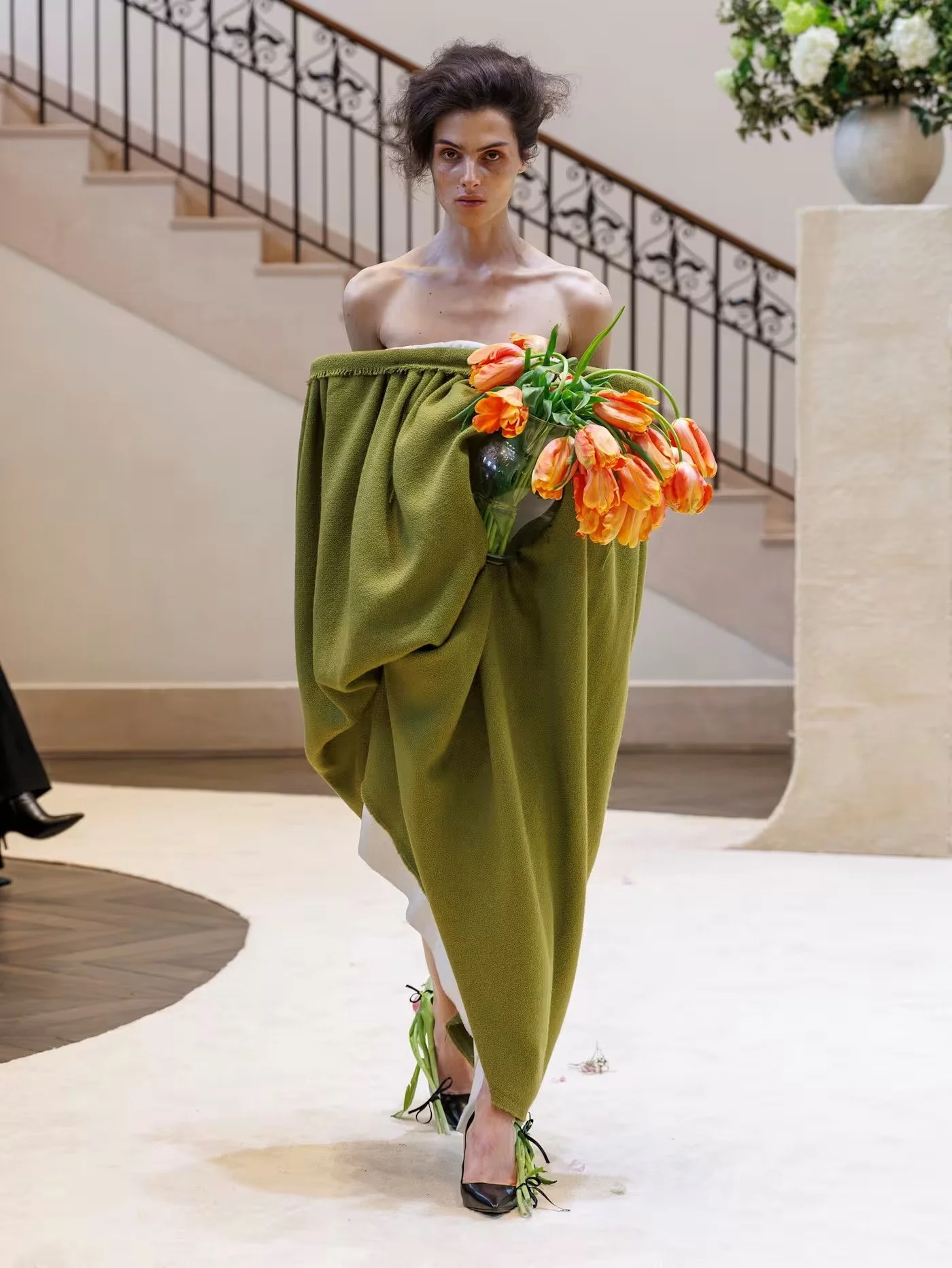
Then there are those who could have only come up amid the creativity and originality of the London scene. Case in point is Daniel del Valle who was a finalist for the 2026 LVMH Prize with his project, Thevxlley. Born in Andalusia, he moved to London at 19, making his runway debut at London Fashion Week this past season showcasing looks that blurred the line between fashion and art: a T-shirt made of tiny mosaic tiles, tops crafted from bread or tufted with greenery and a top resembling a blue and white porcelain vase. Since then, he has been fielding requests for bespoke commissions.
With its unbridled creativity, craftsmanship and a focus on sustainability, it’s a model that appears to be working. More established designers Conner Ives and Grace Wales Bonner offer bespoke services in addition to ready-to-wear. Following the closure of her cult brand, The Vampire’s Wife (in part due to the implosion of matchesfashion.com), Brighton-based Susie Cave has recently re-emerged with Susie Cave Weddings and Funerals — an appointment-only Kensington shop selling demi-couture.
By keeping their businesses small and privileging human connection and slowness, designers are focusing on what they love. As Smith puts it, “It’s about creating a sustainable landscape for ourselves”.